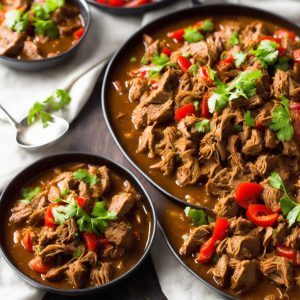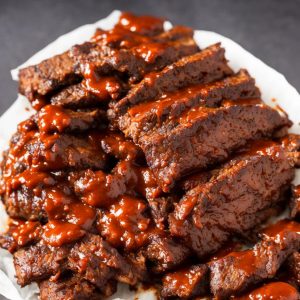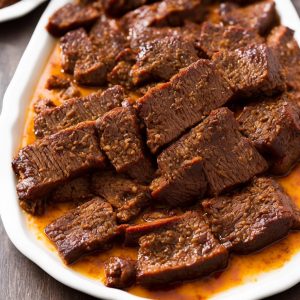
Corned beef is a versatile meat dish you can eat in all sorts of ways! You can add it in sandwiches, with eggs, as a hash, pr on its own. Whether it's for lunch, breakfast, or dinner, there are always corned beef recipes for you.
Read More

Veal is a type of meat that is harvested from younger cattle. It tastes similar to beef, but with a milder and more supple overall flavor and texture. For centuries, European people have enjoyed everything that this cattle meat has to offer. And now you can, too! Simply explore this selection to learn timeless veal recipes. In no time, you'll be able to treat your loved ones to gourmet dishes like scrumptious saltimbocca, creamy piccata, hearty osso bucco, and more.
Read More

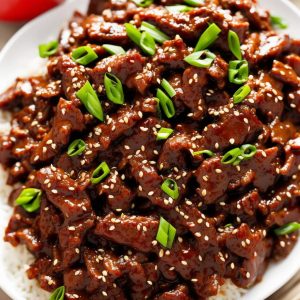
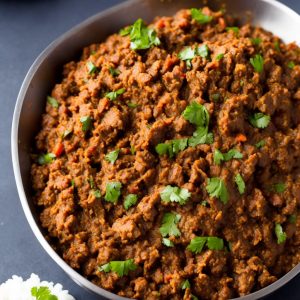
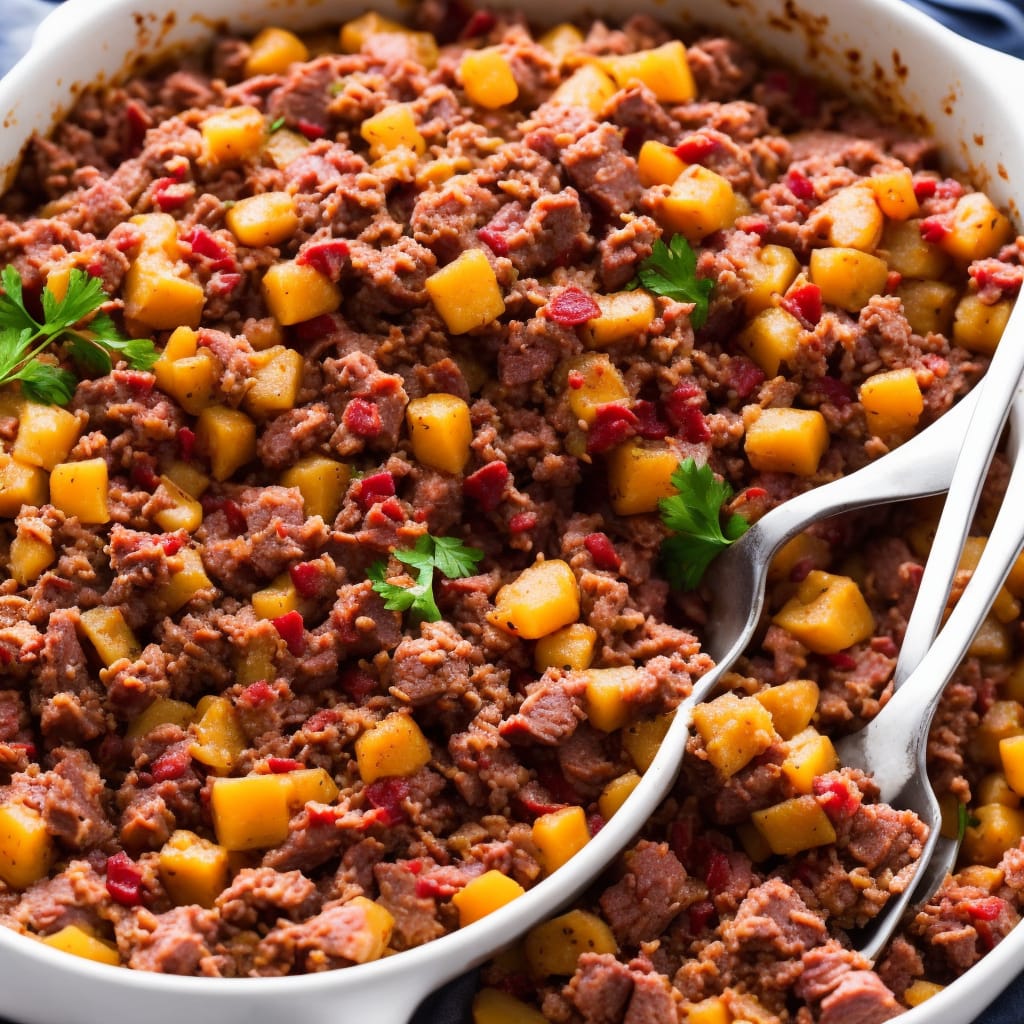
Got some ground beef in your fridge but don't know what dish to do with it? Not to worry, because we've got all kinds of delicious ground beef recipes to fill your hungry tummy. There's patties, casseroles, pasta, meatballs, dips, chili, and many more! So, try our ground beef recipes for your next tasty meal.
Read More
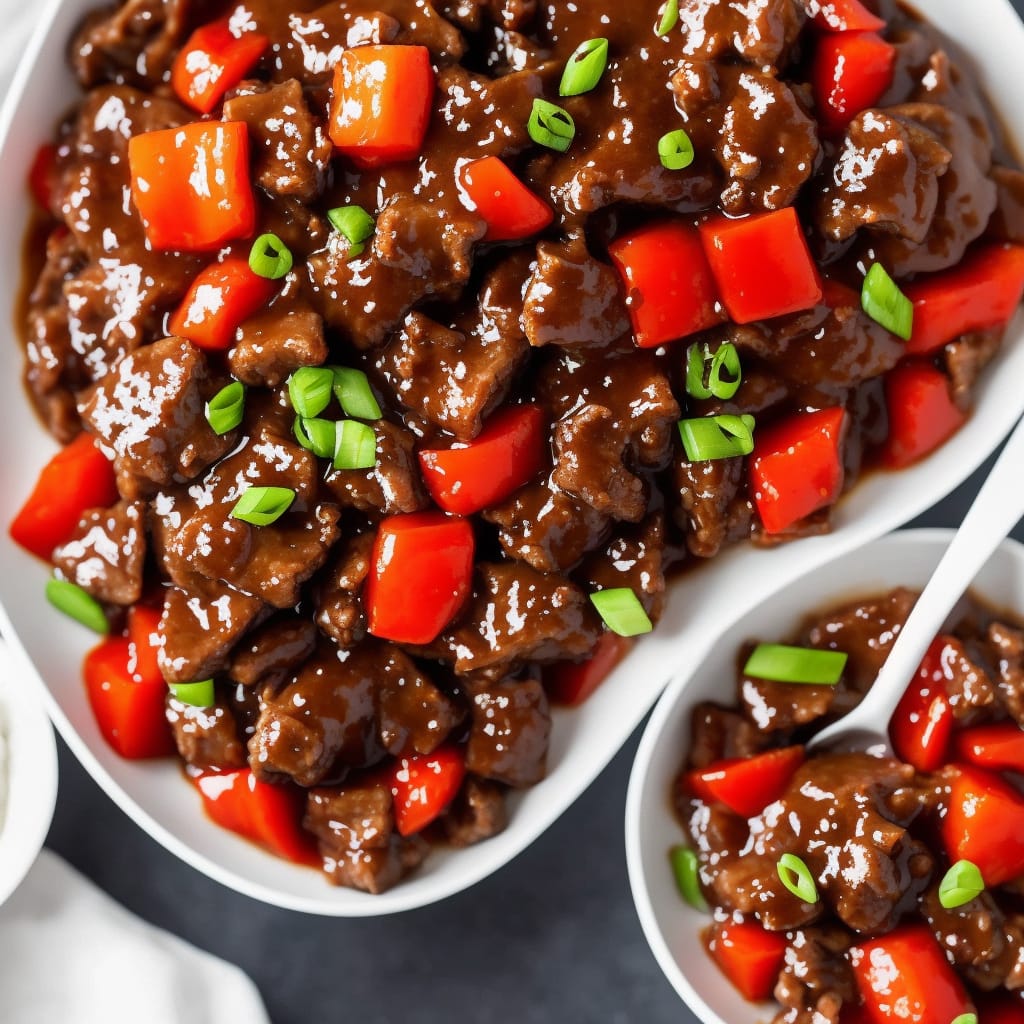
Who said that cattle meat can't be good for you? Well, these healthy beef recipes are here to prove that claim wrong. Essentially, you don't have to cut red meat completely out of your diet if you prepare each dish with wellness in mind. Simply incorporate the right ingredients into your recipe. Choose the cooking method and balance the proportions of each component, and you're half way there! Check out this collection for recipes that you can try for a healthy and well-rounded diet.
Read More
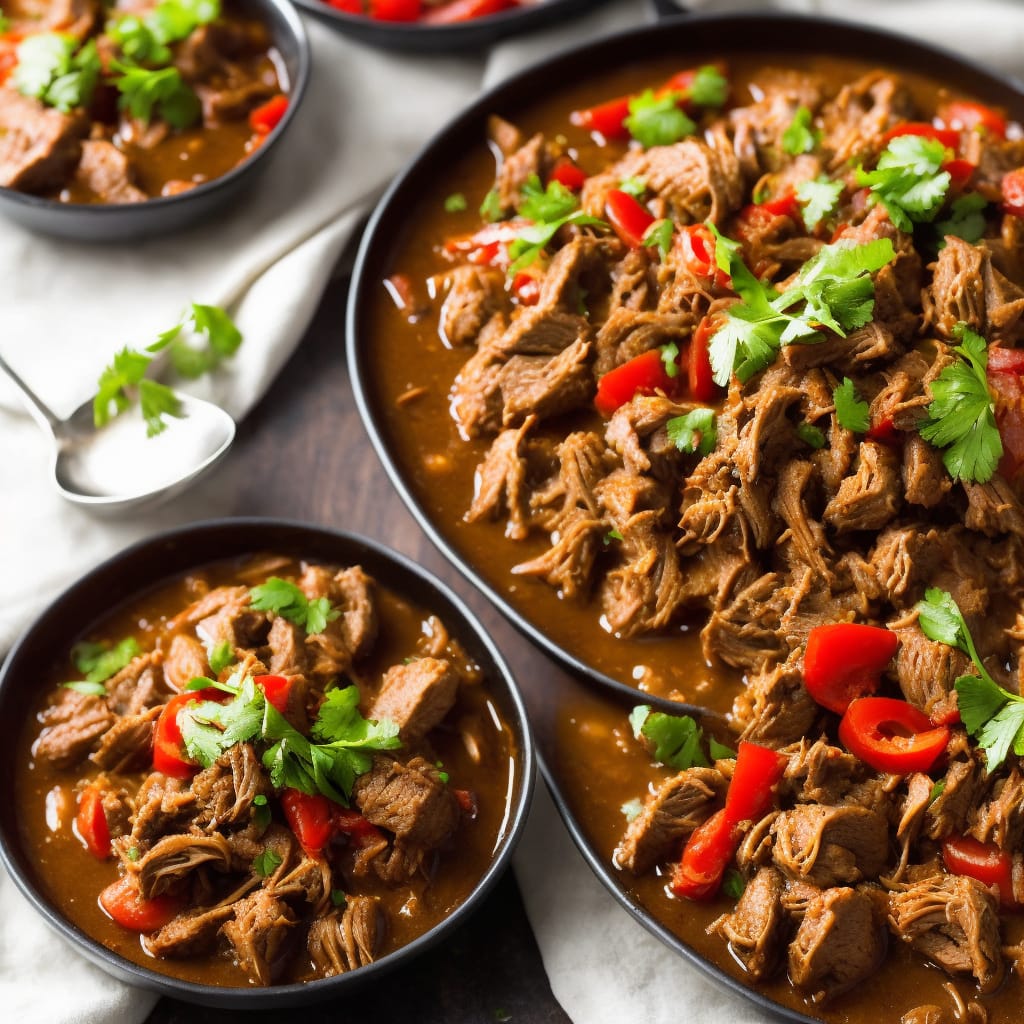
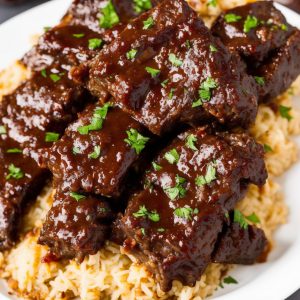
Beef chuck gets a bad reputation for being one of the chewier parts of a cattle. After all, it's taken from one of the more muscular parts of the animal: around the neck and shoulder blade. What a lot of people might not know is that this shouldn't be a problem at all! As long as you know how to handle this flavorful piece of meat correctly, you can enjoy everything that it has to offer. But of course, it also helps to have the right recipe for the job. Find the best one in this collection of beef chuck recipes!
Read More
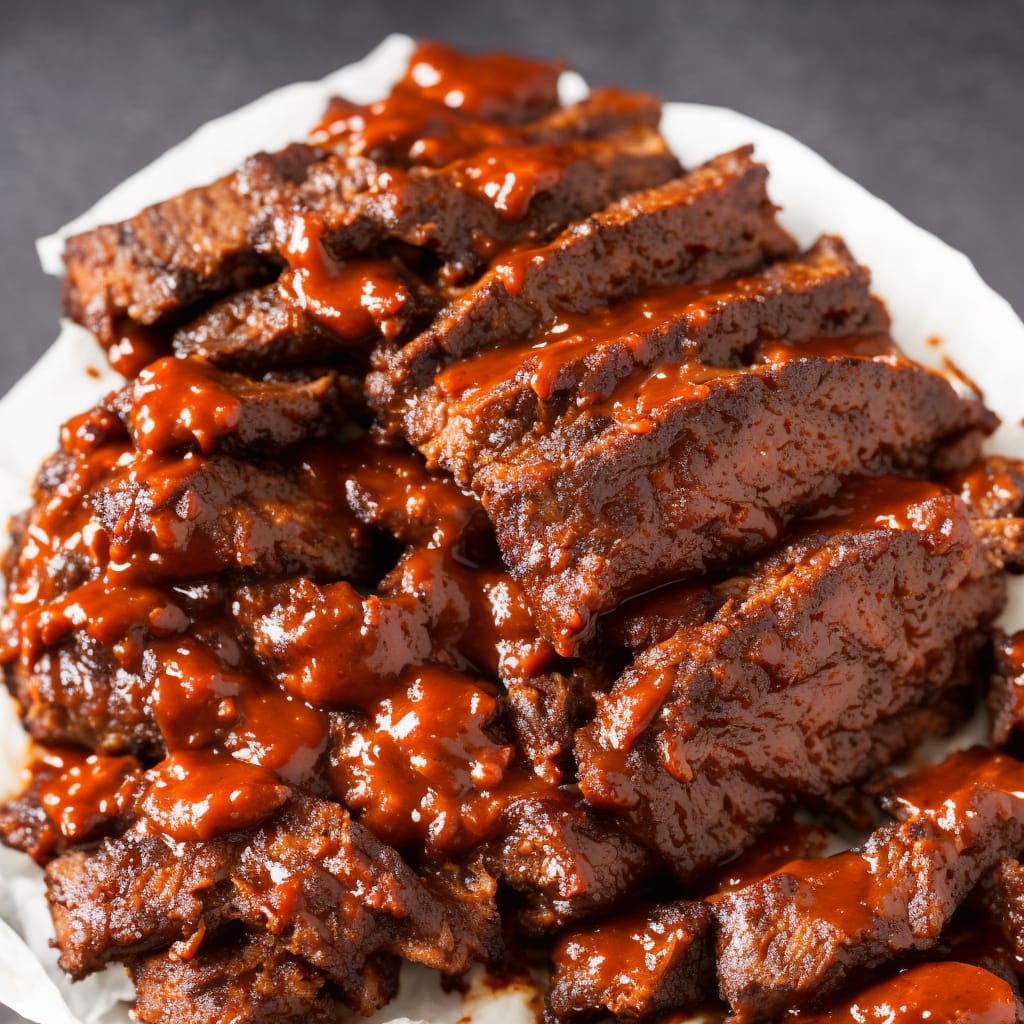
Beef chuck gets a bad reputation for being one of the chewier parts of a cattle. After all, it's taken from one of the more muscular parts of the animal: around the neck and shoulder blade. What a lot of people might not know is that this shouldn't be a problem at all! As long as you know how to handle this flavorful piece of meat correctly, you can enjoy everything that it has to offer. But of course, it also helps to have the right recipe for the job. Find the best one in this collection of beef chuck recipes!
Read More
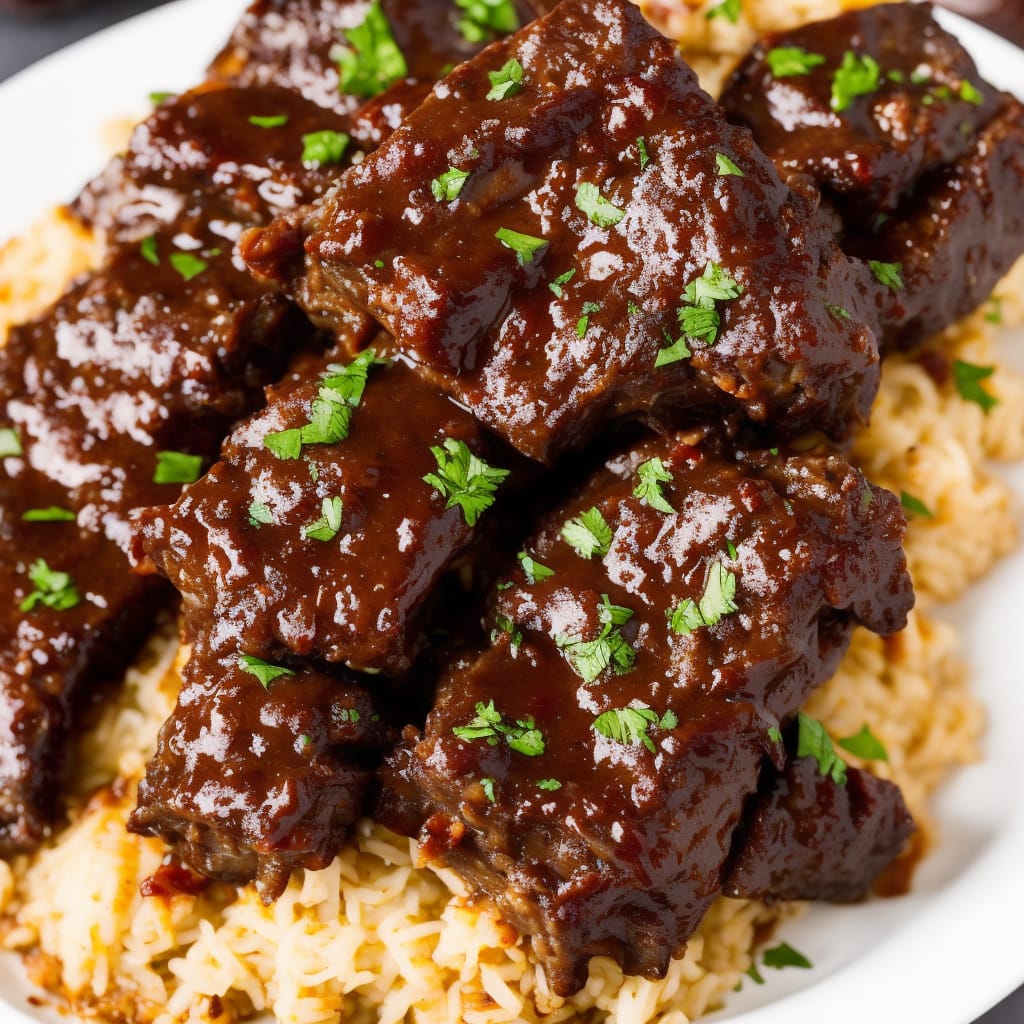
Beef chuck gets a bad reputation for being one of the chewier parts of a cattle. After all, it's taken from one of the more muscular parts of the animal: around the neck and shoulder blade. What a lot of people might not know is that this shouldn't be a problem at all! As long as you know how to handle this flavorful piece of meat correctly, you can enjoy everything that it has to offer. But of course, it also helps to have the right recipe for the job. Find the best one in this collection of beef chuck recipes!
Read More
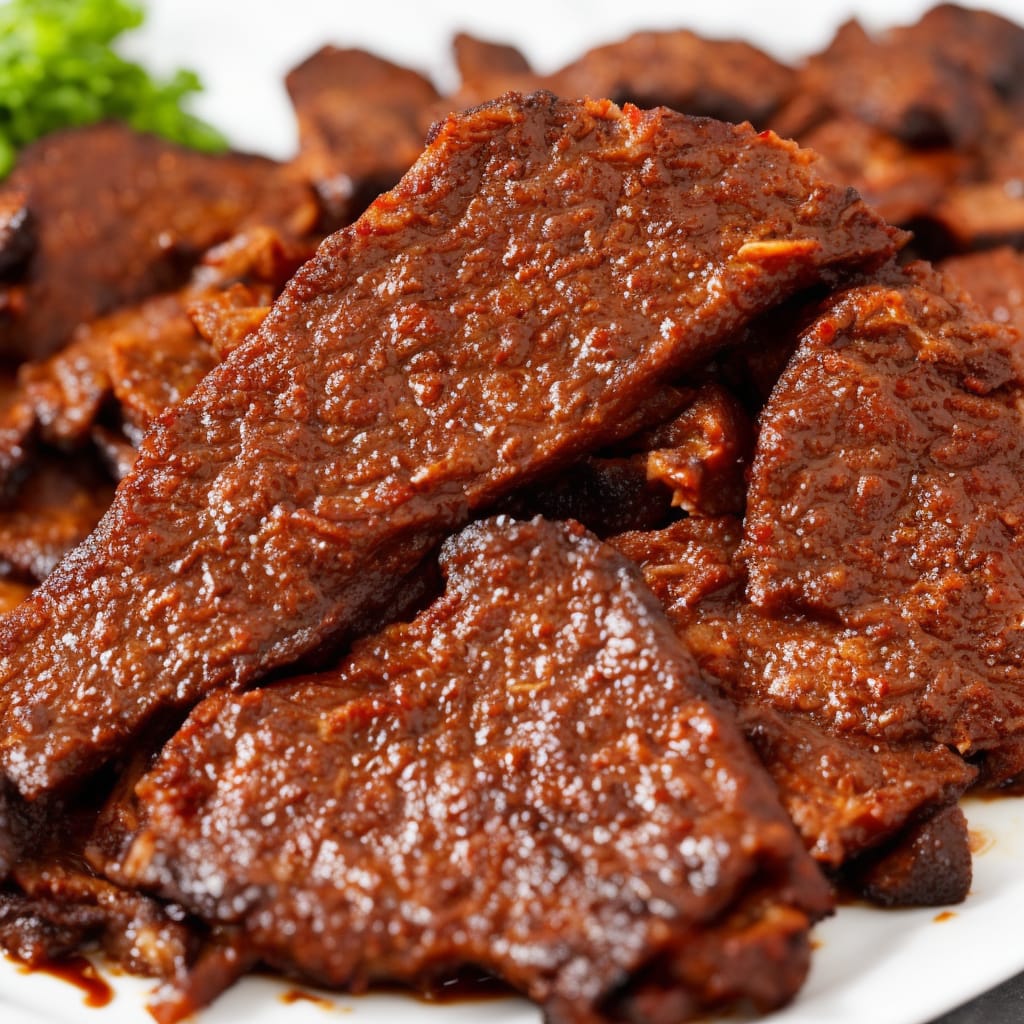
Beef chuck gets a bad reputation for being one of the chewier parts of a cattle. After all, it's taken from one of the more muscular parts of the animal: around the neck and shoulder blade. What a lot of people might not know is that this shouldn't be a problem at all! As long as you know how to handle this flavorful piece of meat correctly, you can enjoy everything that it has to offer. But of course, it also helps to have the right recipe for the job. Find the best one in this collection of beef chuck recipes!
Read More
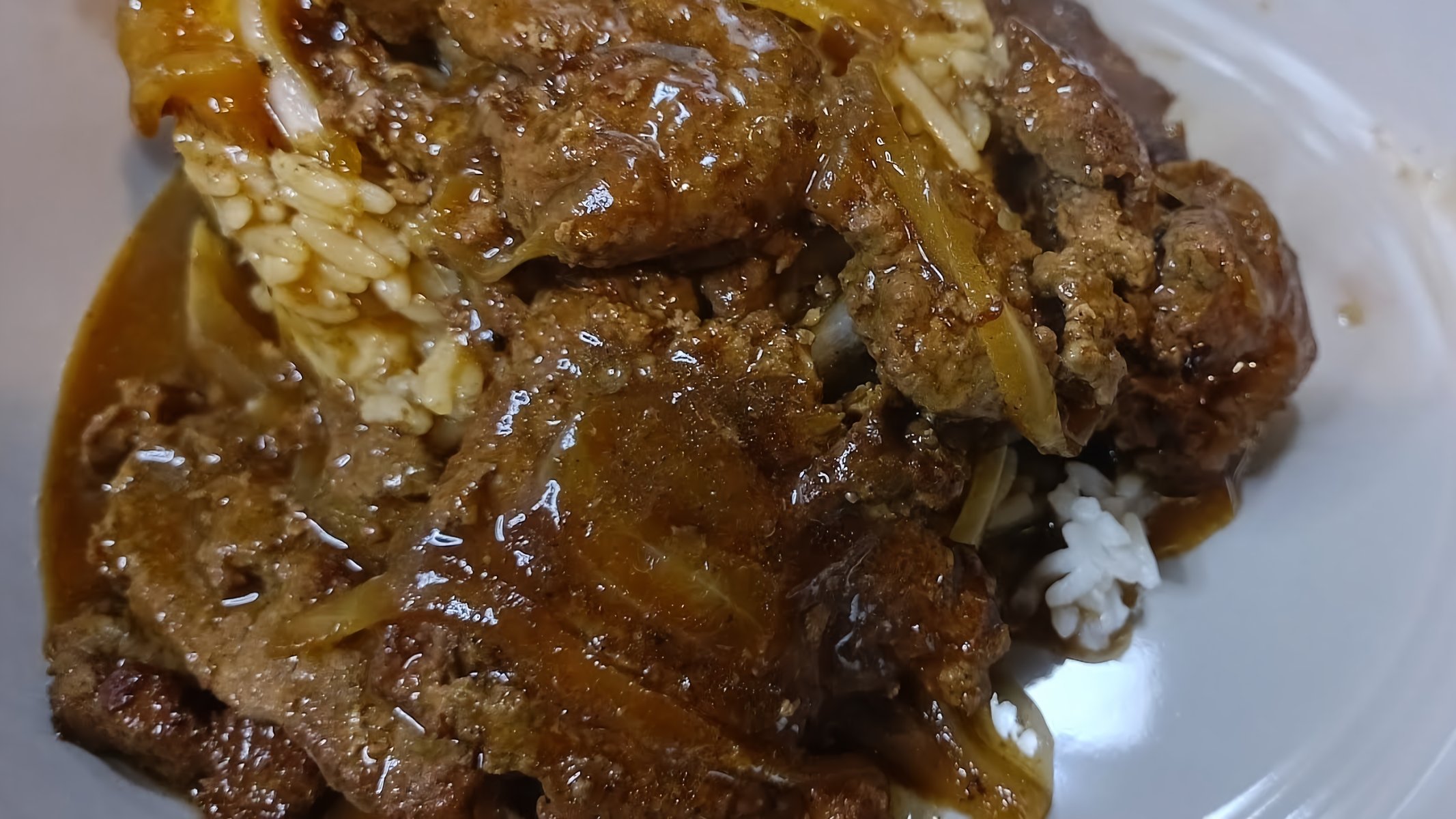
Who said that cattle meat can't be good for you? Well, these healthy beef recipes are here to prove that claim wrong. Essentially, you don't have to cut red meat completely out of your diet if you prepare each dish with wellness in mind. Simply incorporate the right ingredients into your recipe. Choose the cooking method and balance the proportions of each component, and you're half way there! Check out this collection for recipes that you can try for a healthy and well-rounded diet.
Read More
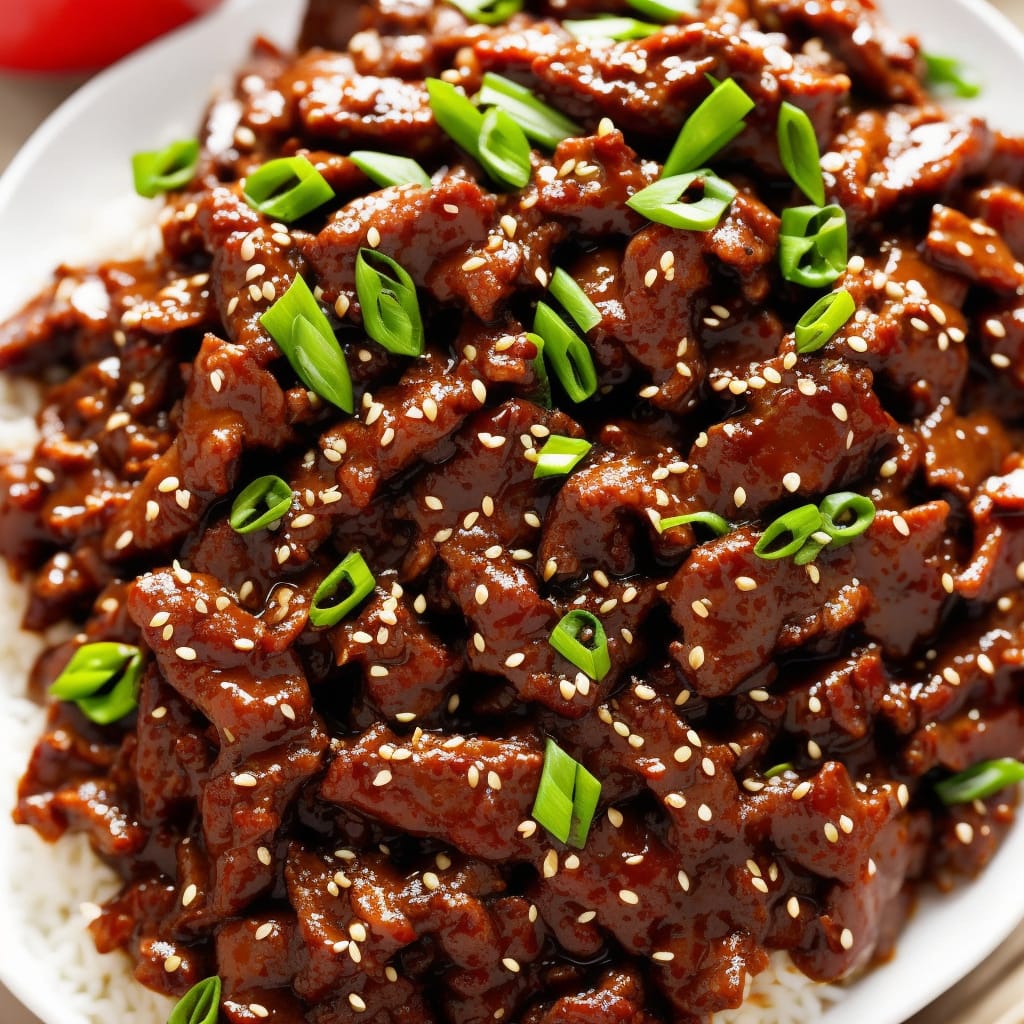
Beef chuck gets a bad reputation for being one of the chewier parts of a cattle. After all, it's taken from one of the more muscular parts of the animal: around the neck and shoulder blade. What a lot of people might not know is that this shouldn't be a problem at all! As long as you know how to handle this flavorful piece of meat correctly, you can enjoy everything that it has to offer. But of course, it also helps to have the right recipe for the job. Find the best one in this collection of beef chuck recipes!
Read More
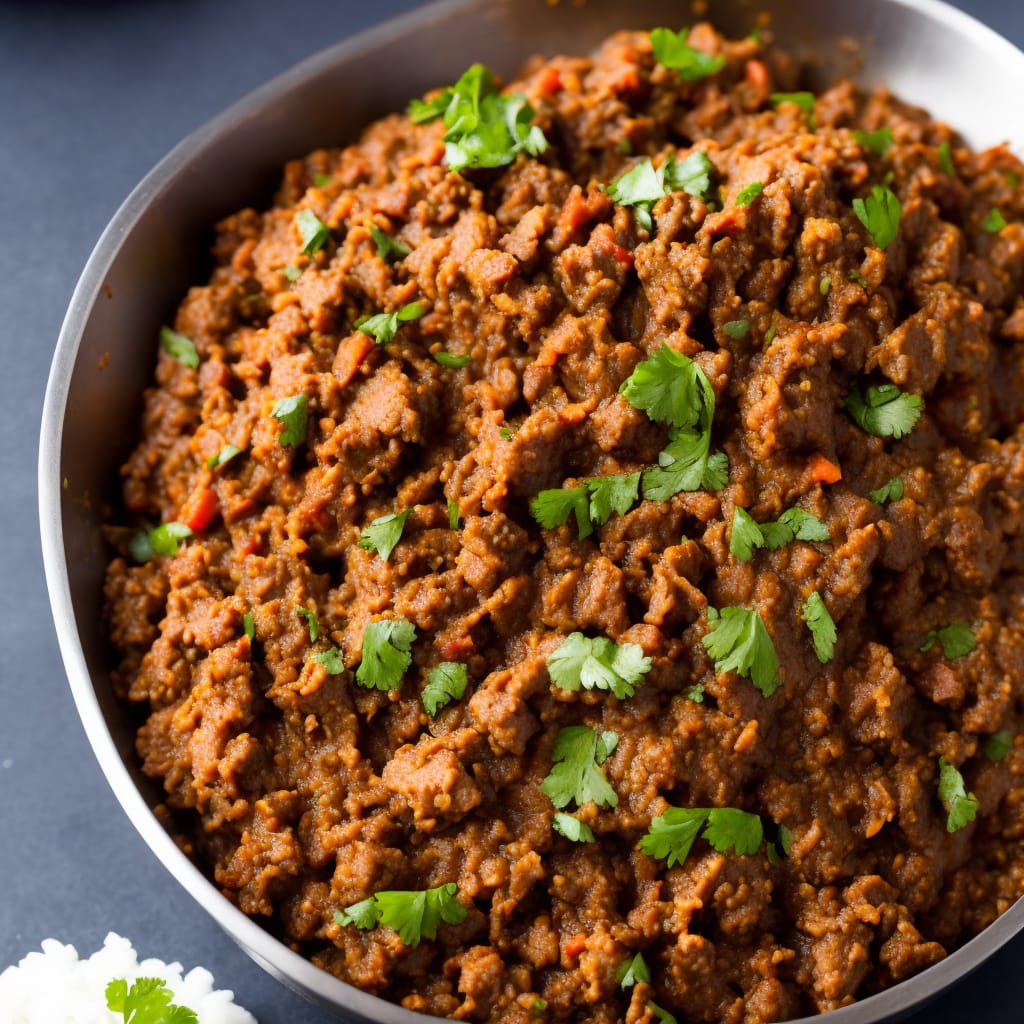
Got some ground beef in your fridge but don't know what dish to do with it? Not to worry, because we've got all kinds of delicious ground beef recipes to fill your hungry tummy. There's patties, casseroles, pasta, meatballs, dips, chili, and many more! So, try our ground beef recipes for your next tasty meal.
Read More
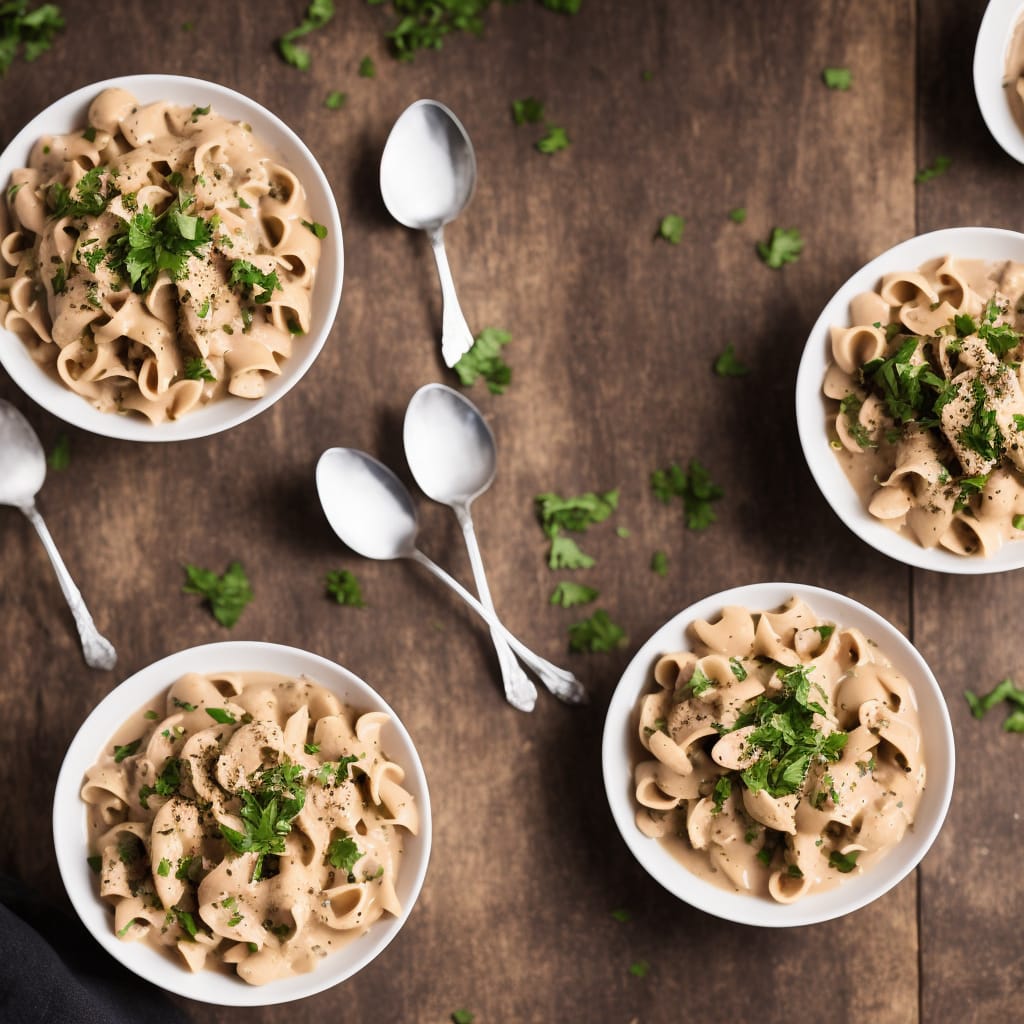

Got some ground beef in your fridge but don't know what dish to do with it? Not to worry, because we've got all kinds of delicious ground beef recipes to fill your hungry tummy. There's patties, casseroles, pasta, meatballs, dips, chili, and many more! So, try our ground beef recipes for your next tasty meal.
Read More
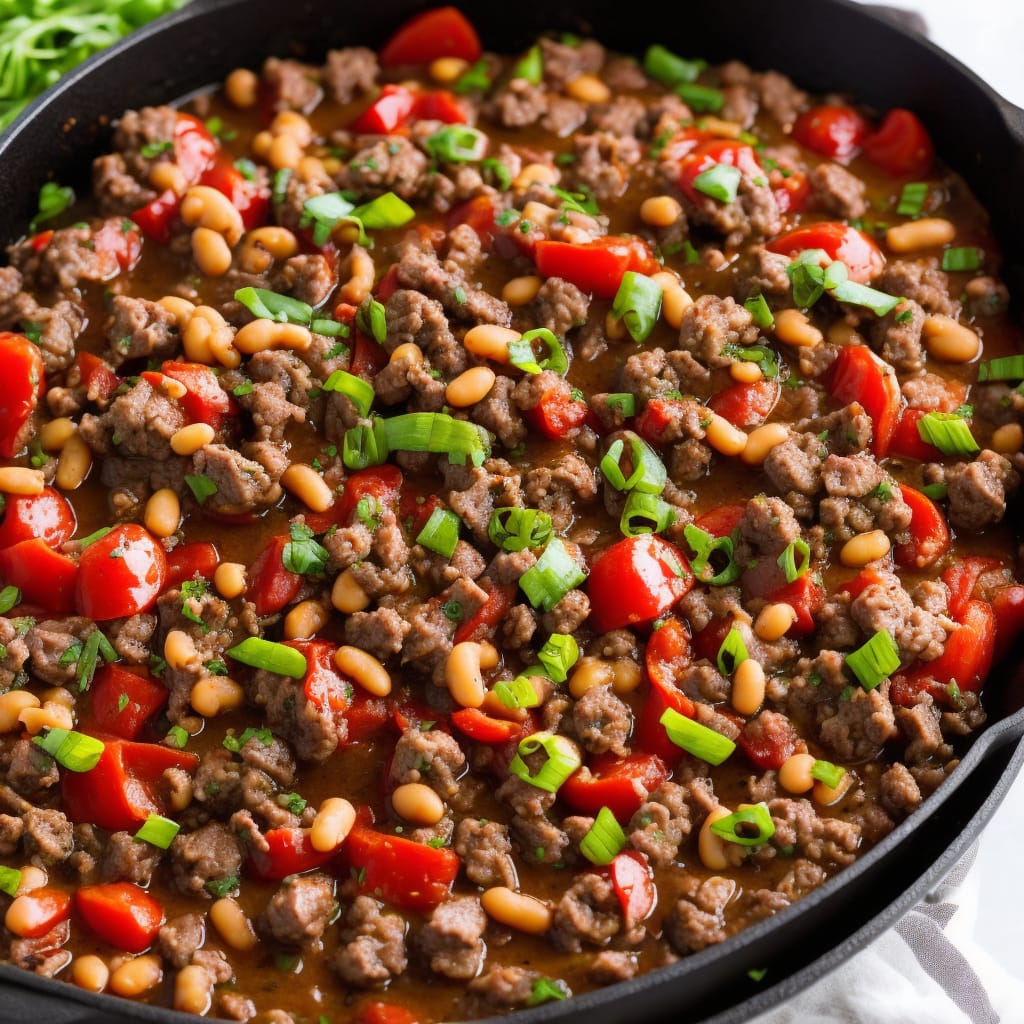
Got some ground beef in your fridge but don't know what dish to do with it? Not to worry, because we've got all kinds of delicious ground beef recipes to fill your hungry tummy. There's patties, casseroles, pasta, meatballs, dips, chili, and many more! So, try our ground beef recipes for your next tasty meal.
Read More
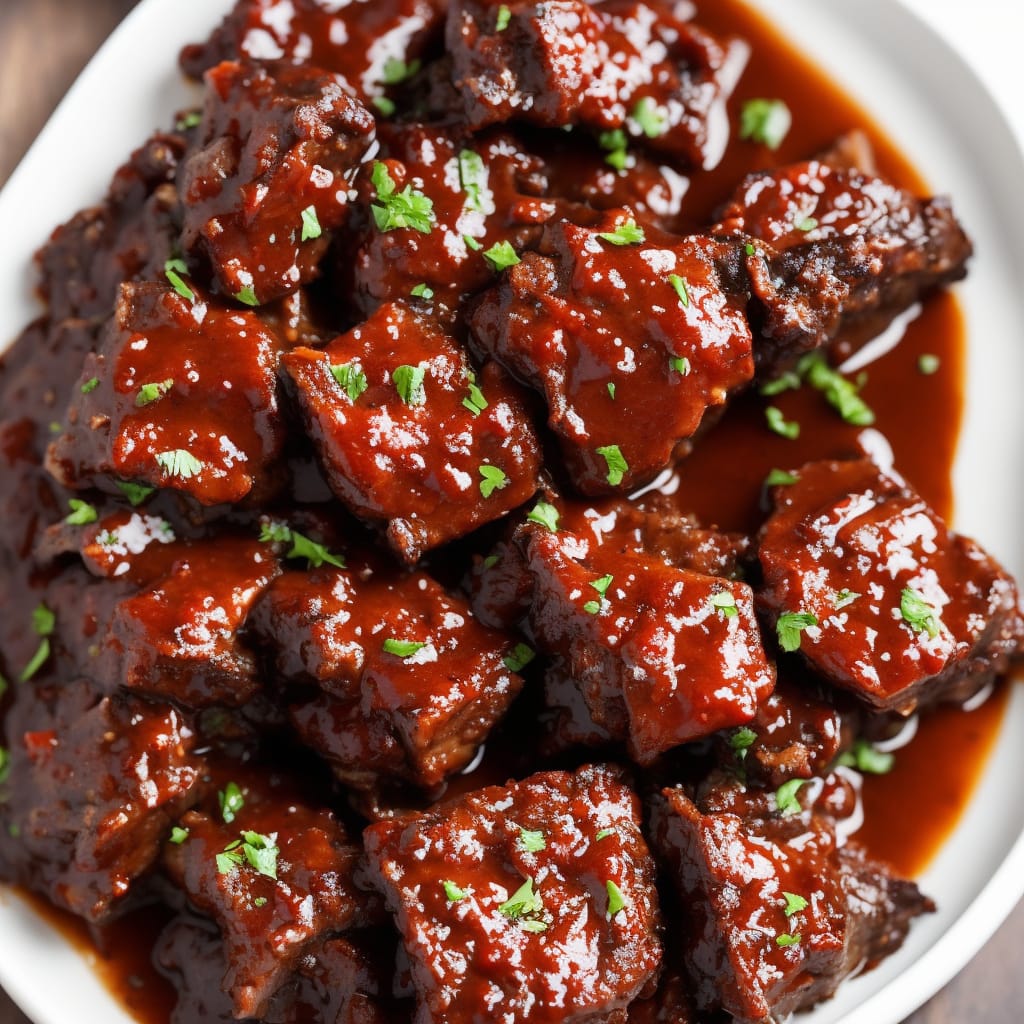
Beef chuck gets a bad reputation for being one of the chewier parts of a cattle. After all, it's taken from one of the more muscular parts of the animal: around the neck and shoulder blade. What a lot of people might not know is that this shouldn't be a problem at all! As long as you know how to handle this flavorful piece of meat correctly, you can enjoy everything that it has to offer. But of course, it also helps to have the right recipe for the job. Find the best one in this collection of beef chuck recipes!
Read More
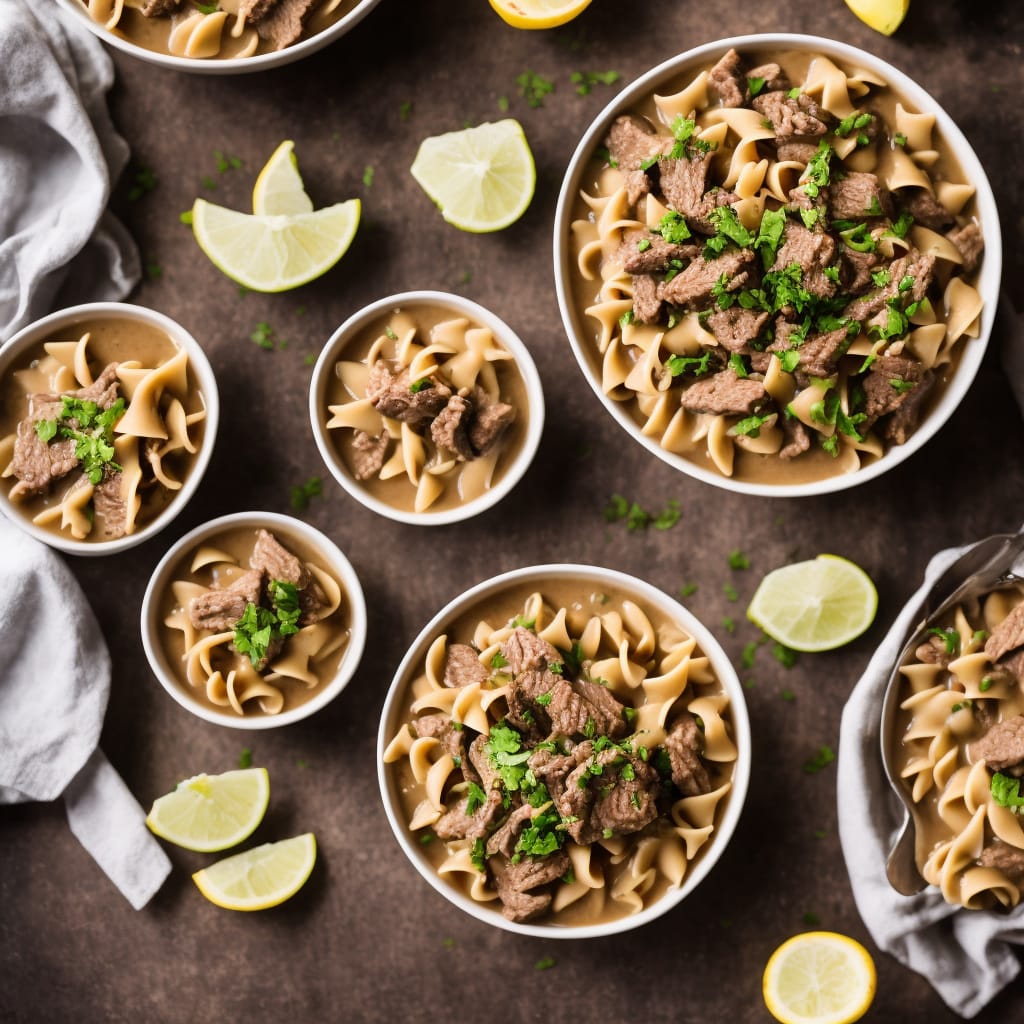
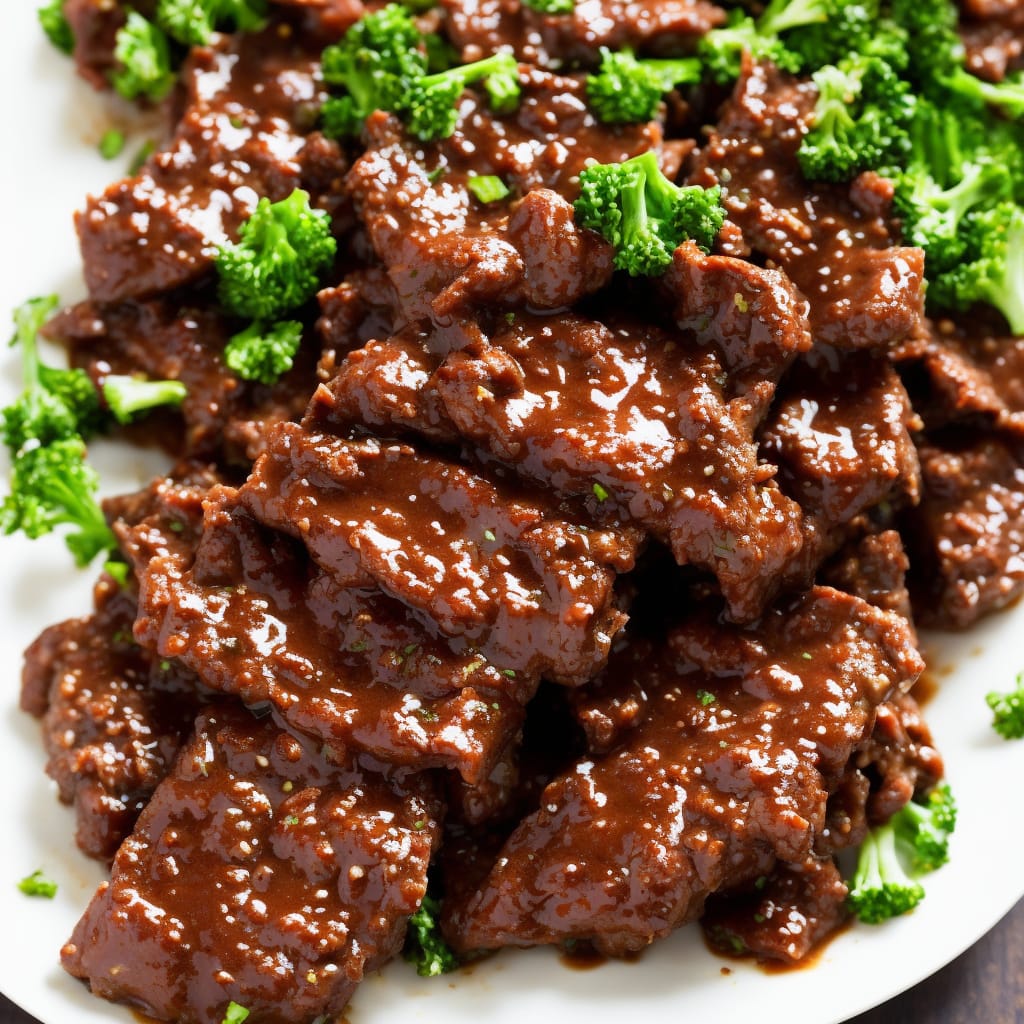
Beef chuck gets a bad reputation for being one of the chewier parts of a cattle. After all, it's taken from one of the more muscular parts of the animal: around the neck and shoulder blade. What a lot of people might not know is that this shouldn't be a problem at all! As long as you know how to handle this flavorful piece of meat correctly, you can enjoy everything that it has to offer. But of course, it also helps to have the right recipe for the job. Find the best one in this collection of beef chuck recipes!
Read More
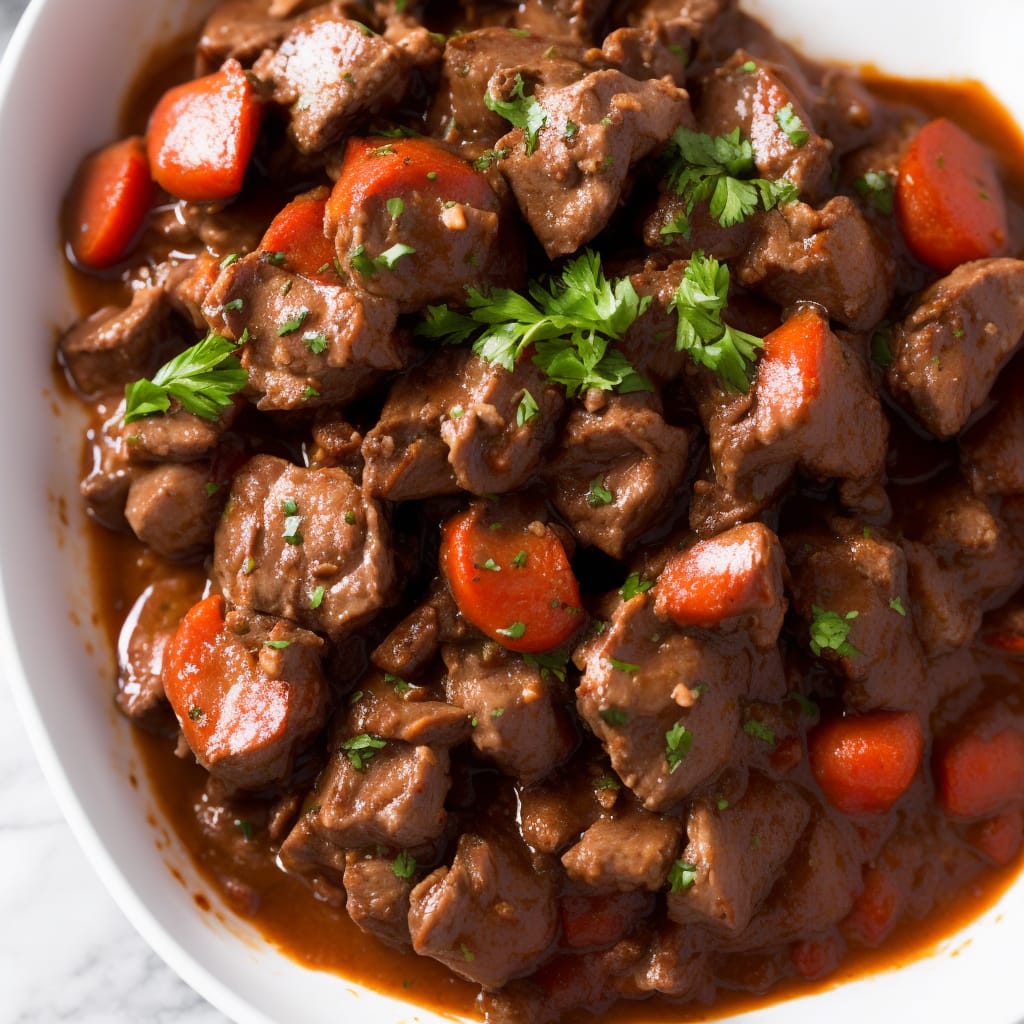
Easy, cheesy, and meaty are the three best words to describe a good casserole dish. It's quick to make since you can easily throw together the ingredients in a deep piece of cookware. Then, simply bake until they meld together beautifully to form a delicious homemade meal. And even though you're free to use other types of protein for this dish, there's no denying that beef reigns supreme. Browse this collection for easy beef casserole recipes that you can make for dinners with the family!
Read More
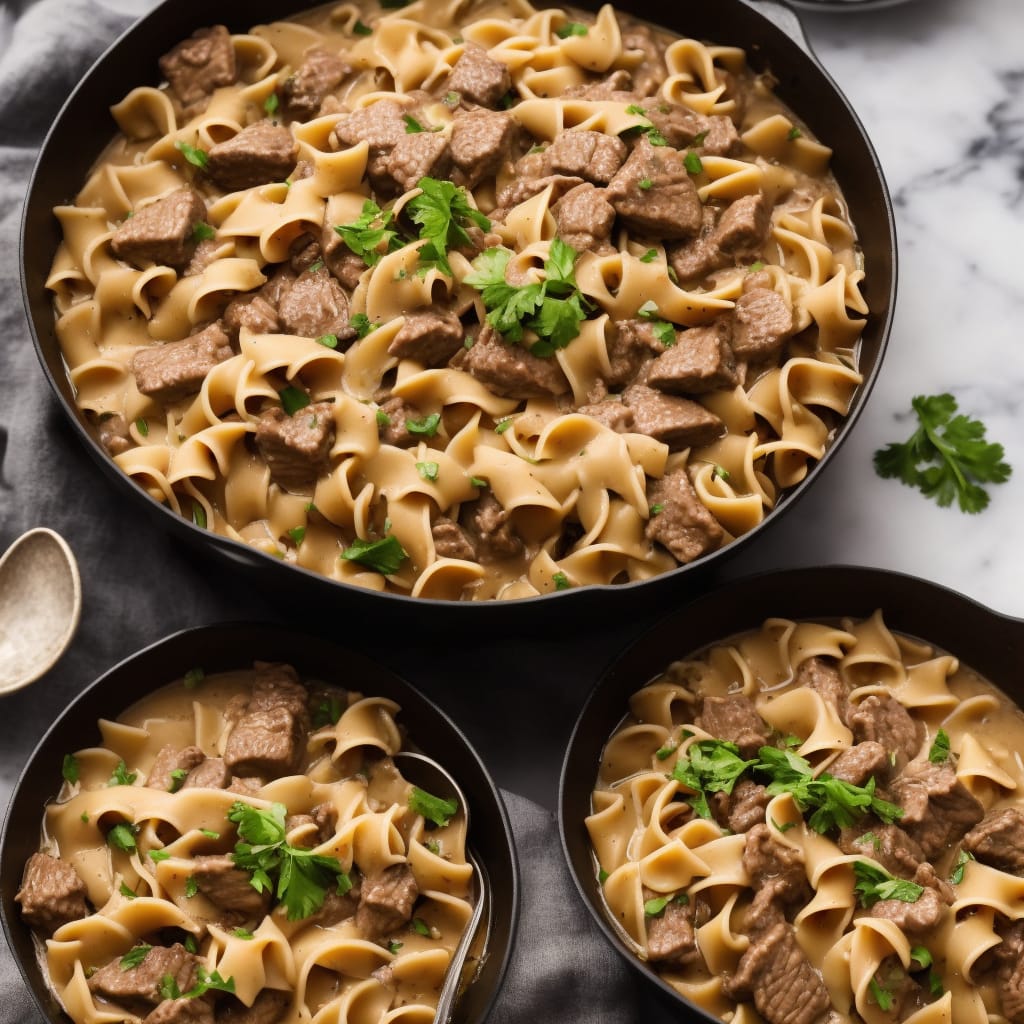
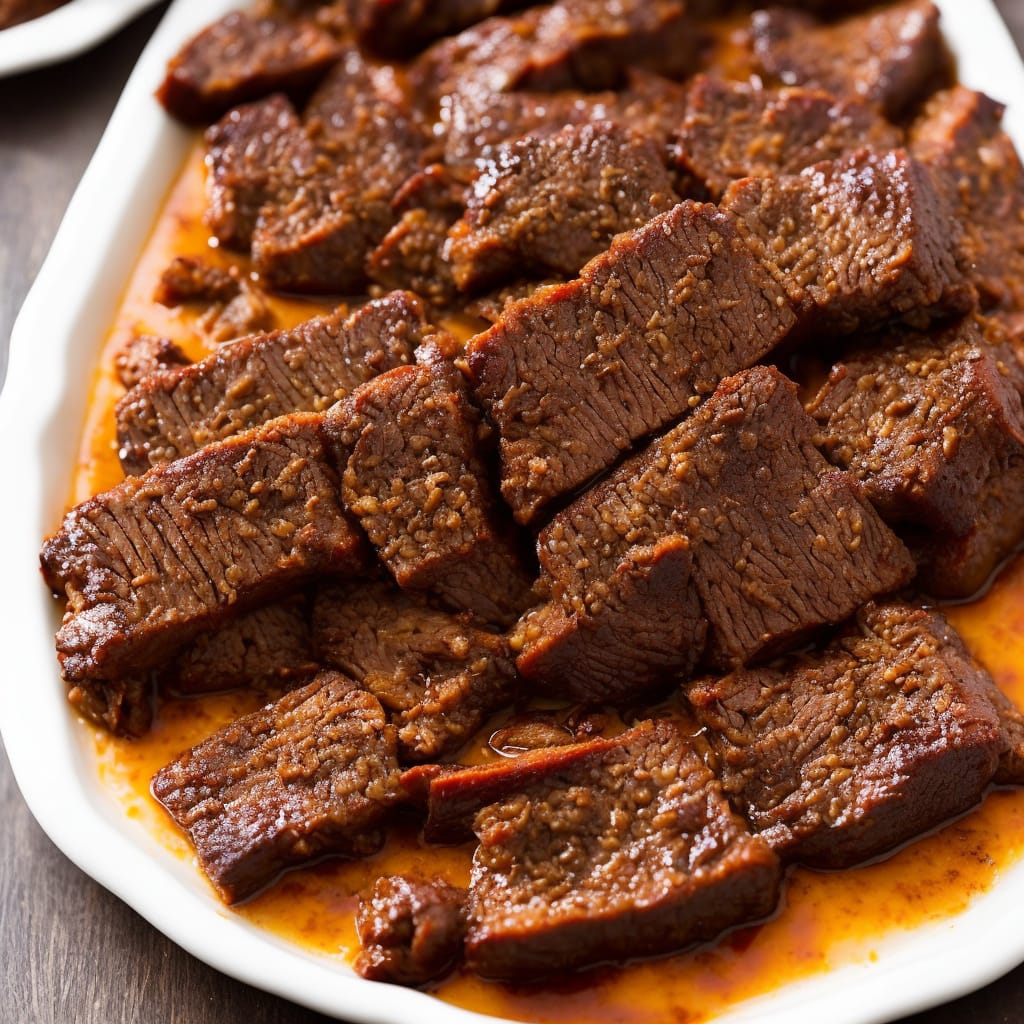
Beef chuck gets a bad reputation for being one of the chewier parts of a cattle. After all, it's taken from one of the more muscular parts of the animal: around the neck and shoulder blade. What a lot of people might not know is that this shouldn't be a problem at all! As long as you know how to handle this flavorful piece of meat correctly, you can enjoy everything that it has to offer. But of course, it also helps to have the right recipe for the job. Find the best one in this collection of beef chuck recipes!
Read More
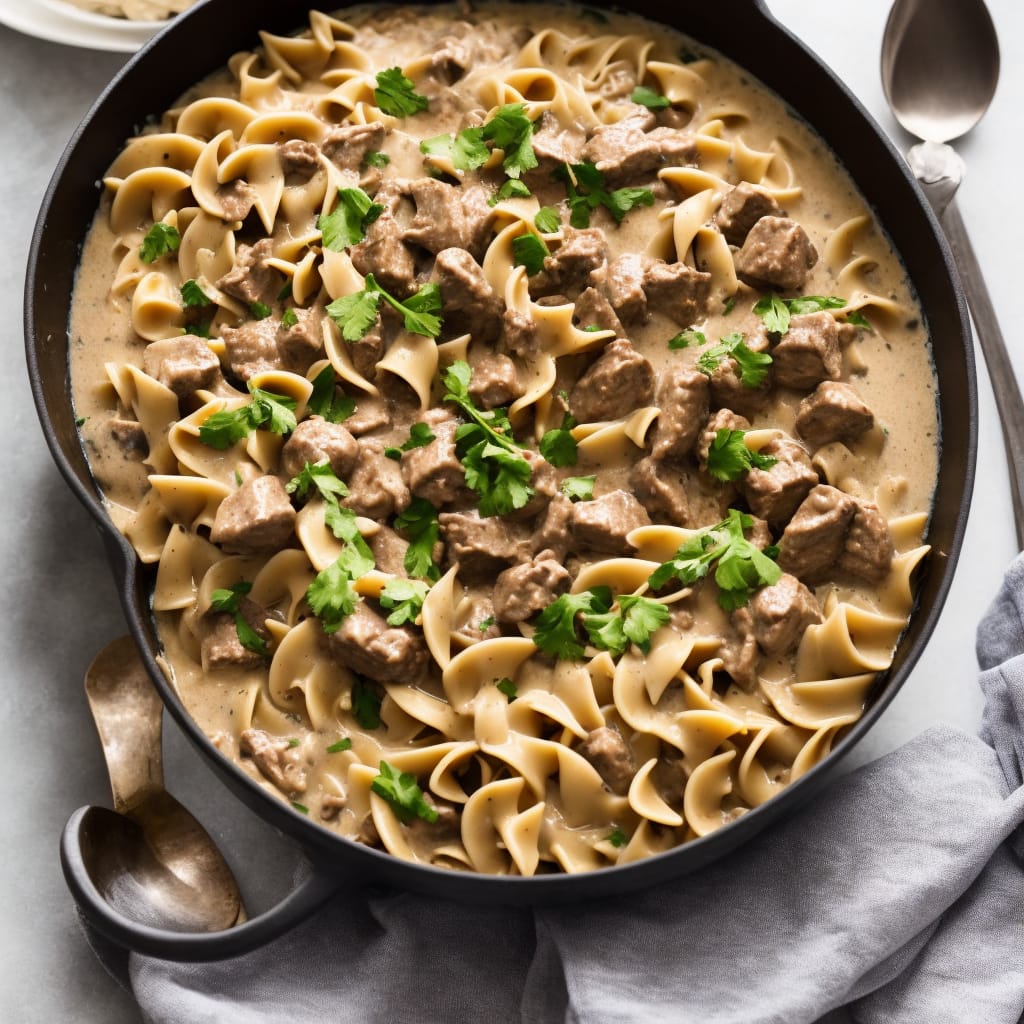
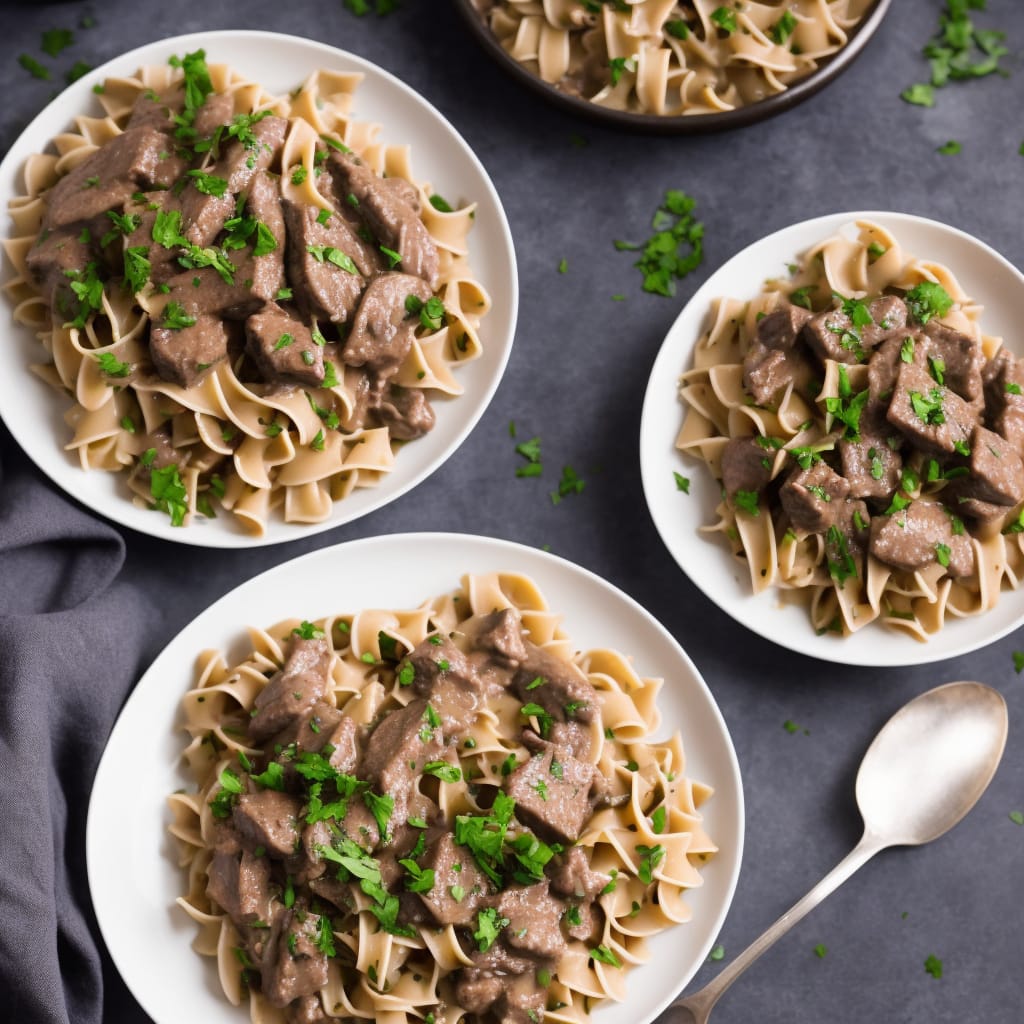

Easy, cheesy, and meaty are the three best words to describe a good casserole dish. It's quick to make since you can easily throw together the ingredients in a deep piece of cookware. Then, simply bake until they meld together beautifully to form a delicious homemade meal. And even though you're free to use other types of protein for this dish, there's no denying that beef reigns supreme. Browse this collection for easy beef casserole recipes that you can make for dinners with the family!
Read More

Got some ground beef in your fridge but don't know what dish to do with it? Not to worry, because we've got all kinds of delicious ground beef recipes to fill your hungry tummy. There's patties, casseroles, pasta, meatballs, dips, chili, and many more! So, try our ground beef recipes for your next tasty meal.
Read More
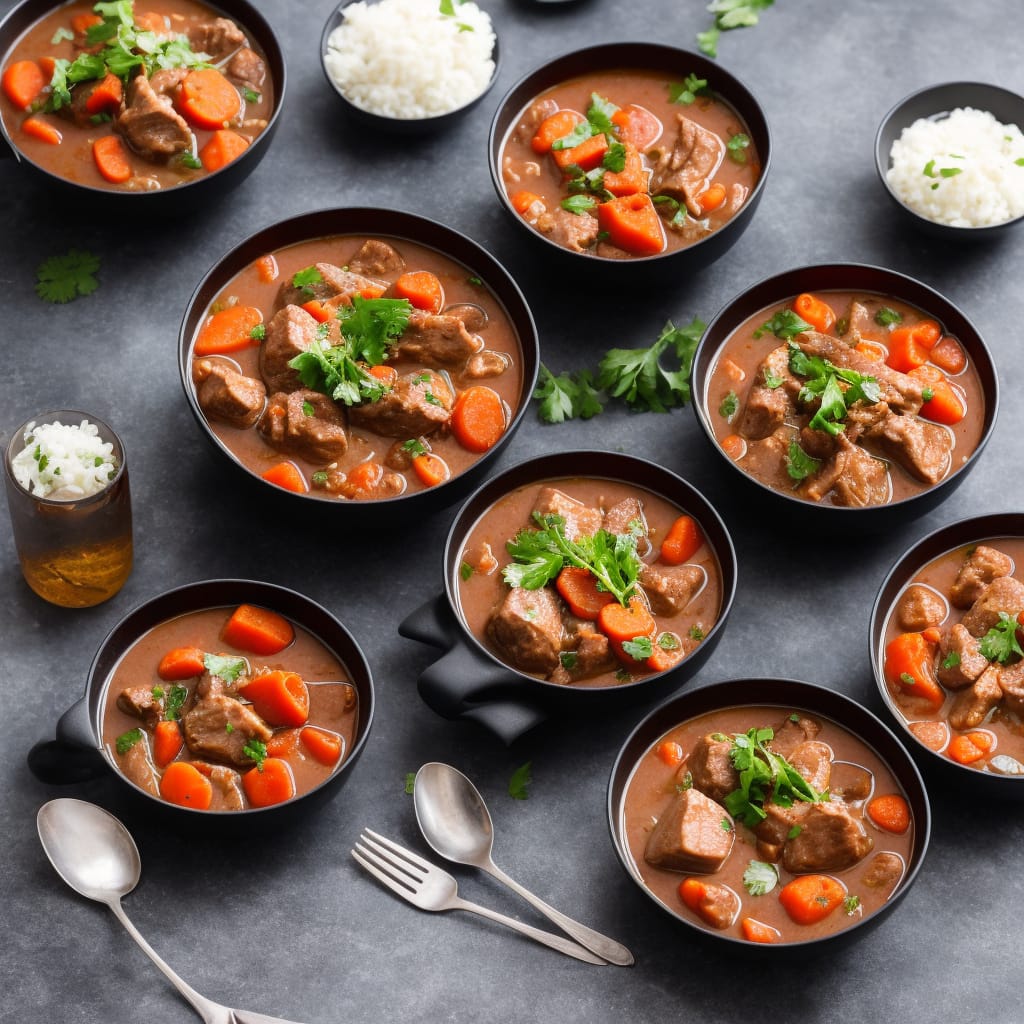
Veal is a type of meat that is harvested from younger cattle. It tastes similar to beef, but with a milder and more supple overall flavor and texture. For centuries, European people have enjoyed everything that this cattle meat has to offer. And now you can, too! Simply explore this selection to learn timeless veal recipes. In no time, you'll be able to treat your loved ones to gourmet dishes like scrumptious saltimbocca, creamy piccata, hearty osso bucco, and more.
Read More
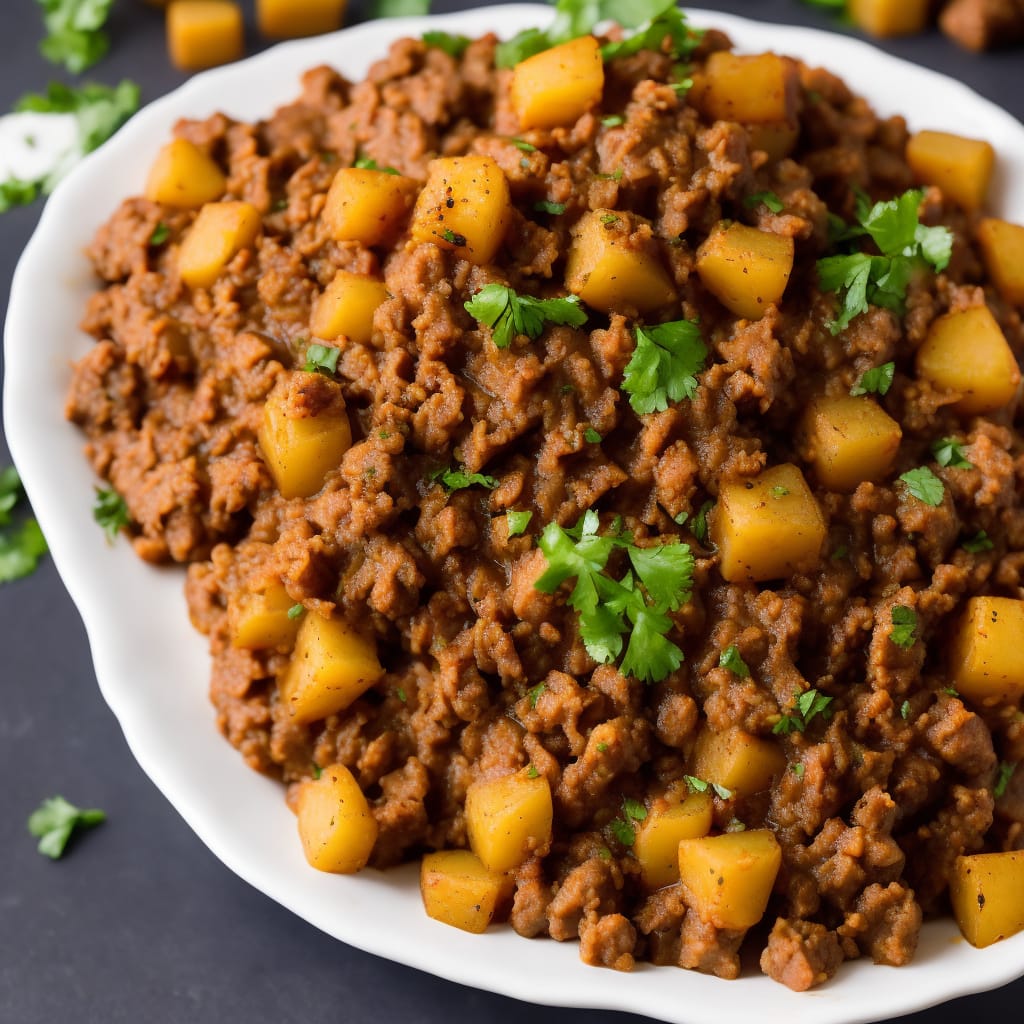
Got some ground beef in your fridge but don't know what dish to do with it? Not to worry, because we've got all kinds of delicious ground beef recipes to fill your hungry tummy. There's patties, casseroles, pasta, meatballs, dips, chili, and many more! So, try our ground beef recipes for your next tasty meal.
Read More

Easy, cheesy, and meaty are the three best words to describe a good casserole dish. It's quick to make since you can easily throw together the ingredients in a deep piece of cookware. Then, simply bake until they meld together beautifully to form a delicious homemade meal. And even though you're free to use other types of protein for this dish, there's no denying that beef reigns supreme. Browse this collection for easy beef casserole recipes that you can make for dinners with the family!
Read More
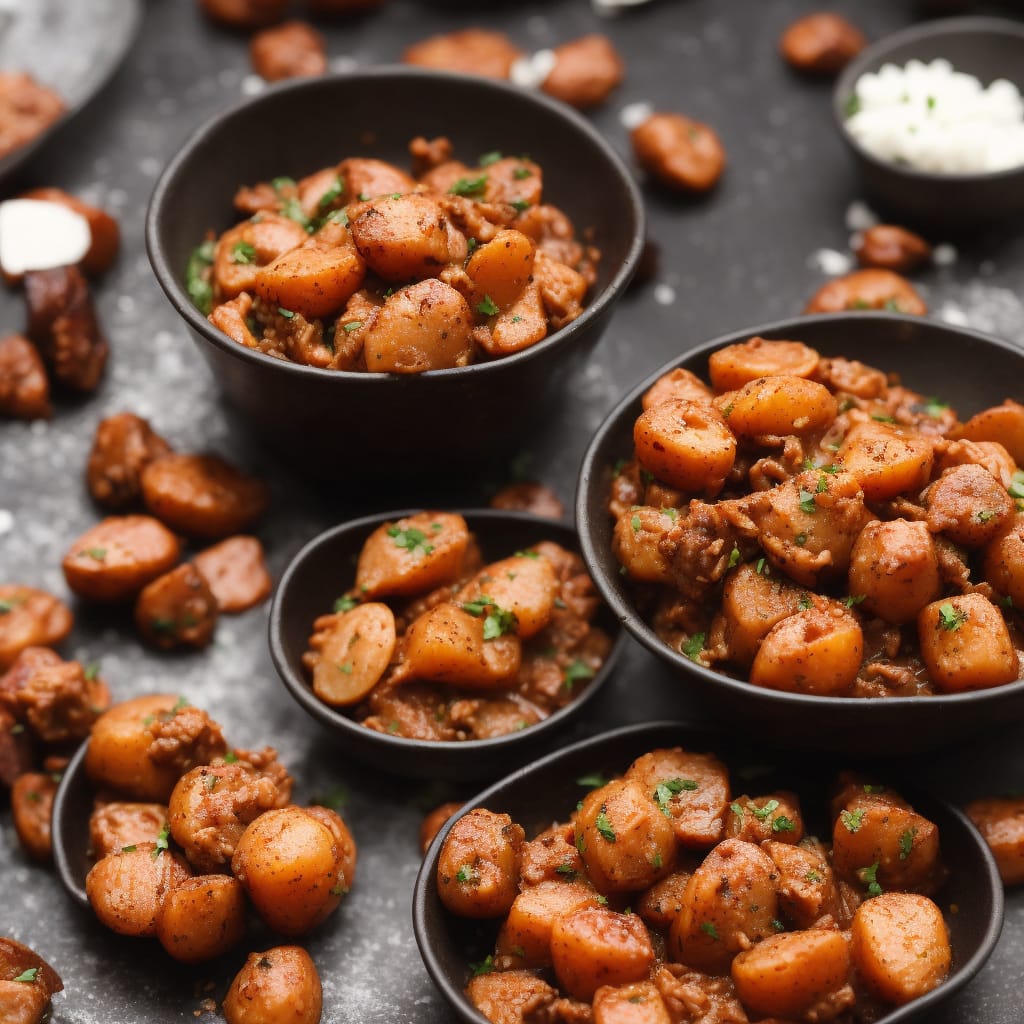
Corned beef is a versatile meat dish you can eat in all sorts of ways! You can add it in sandwiches, with eggs, as a hash, pr on its own. Whether it's for lunch, breakfast, or dinner, there are always corned beef recipes for you.
Read More

Got some ground beef in your fridge but don't know what dish to do with it? Not to worry, because we've got all kinds of delicious ground beef recipes to fill your hungry tummy. There's patties, casseroles, pasta, meatballs, dips, chili, and many more! So, try our ground beef recipes for your next tasty meal.
Read More
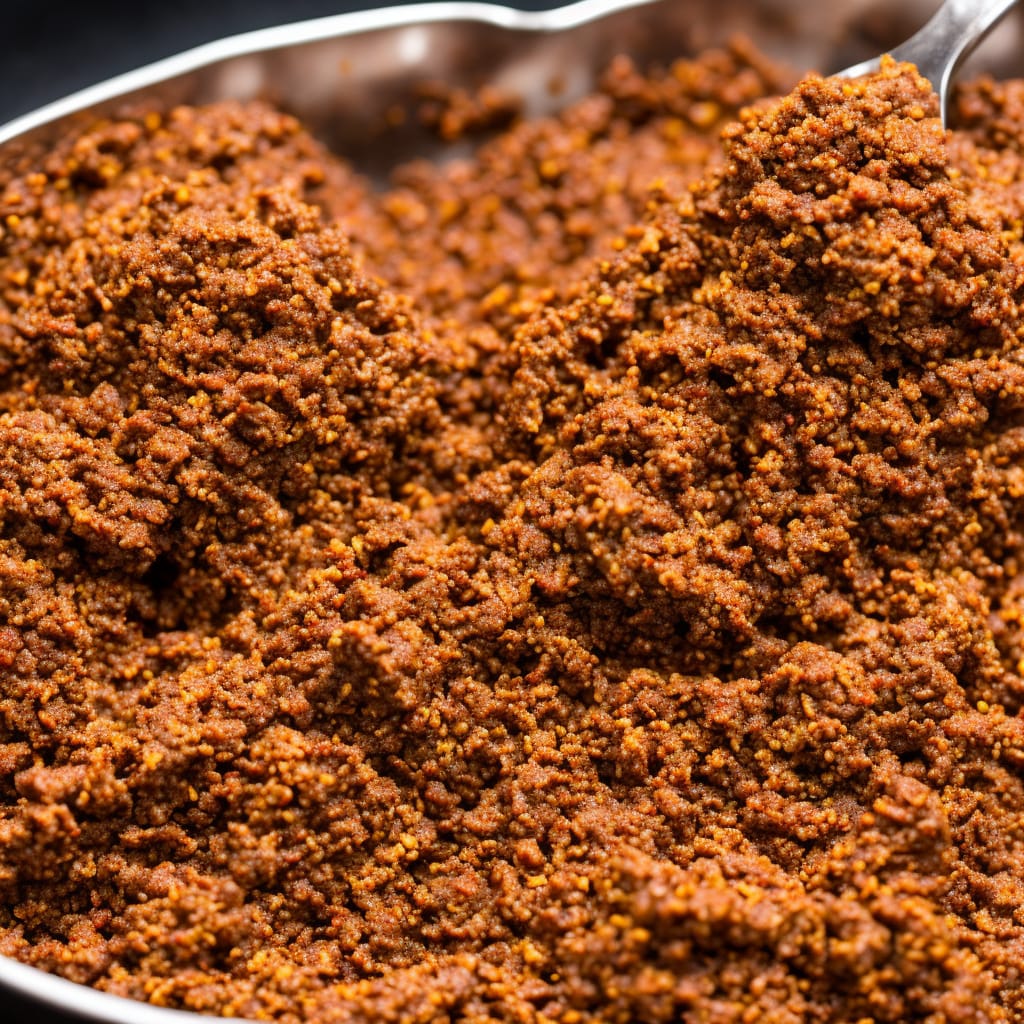
Got some ground beef in your fridge but don't know what dish to do with it? Not to worry, because we've got all kinds of delicious ground beef recipes to fill your hungry tummy. There's patties, casseroles, pasta, meatballs, dips, chili, and many more! So, try our ground beef recipes for your next tasty meal.
Read More